

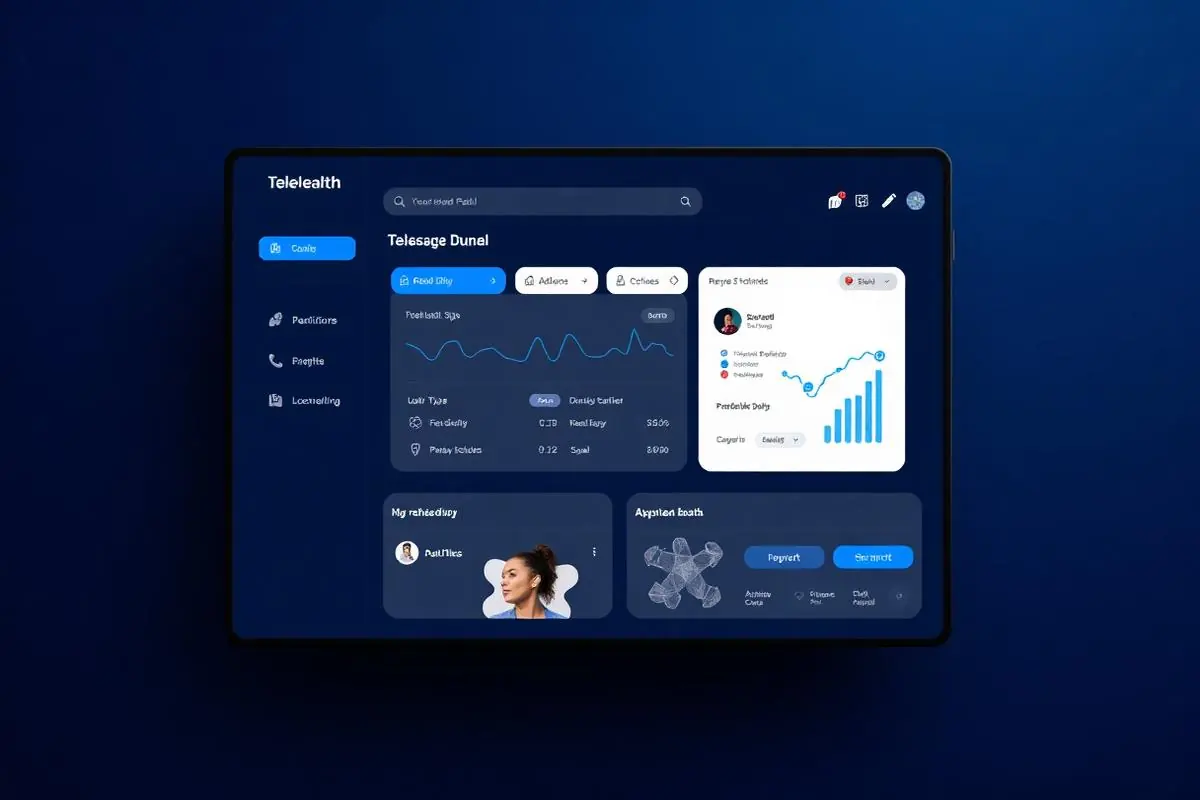
Healthcare and telehealth
Healthcare digital work sits at the intersection of anxiety and regulation. Patients arrive worried, often on mobile, frequently outside business hours, and they abandon at the first sign of friction or the first hint that their information is not being handled carefully. Meanwhile the organisation carries obligations around privacy, accessibility, advertising claims and record handling that constrain what marketing teams can do.
The practical consequences are specific. Booking flows must ask for the minimum information required to confirm an appointment, with everything else collected later. Provider credentials, locations and insurance acceptance need to be findable in seconds. Analytics must be configured so that no protected information leaks into third-party tools, which means rethinking the default installation of most advertising pixels.
Accessibility is non-negotiable in this sector. A significant proportion of patients use assistive technology, have low vision, or are navigating in circumstances of stress and distraction. Building to recognised accessibility standards is both an ethical baseline and a measurable conversion improvement.
The highest-return investments we see in healthcare are almost always operational rather than promotional: reducing no-shows through better reminders, cutting call volume through self-service, and shortening the path from symptom search to booked appointment.
- Privacy-conscious analytics configured before any campaign launches
- Short booking flows with progressive information capture
- Provider, location and insurance data structured for search
- Accessibility conformance treated as a launch requirement
- Reminder and follow-up automation to reduce no-shows