Nortdesigns
Work

Results our clients can take to the board

A selection of engagements where design, engineering and marketing compounded into revenue.

Client project showcase

Featured Work

Case studies that moved the revenue needle

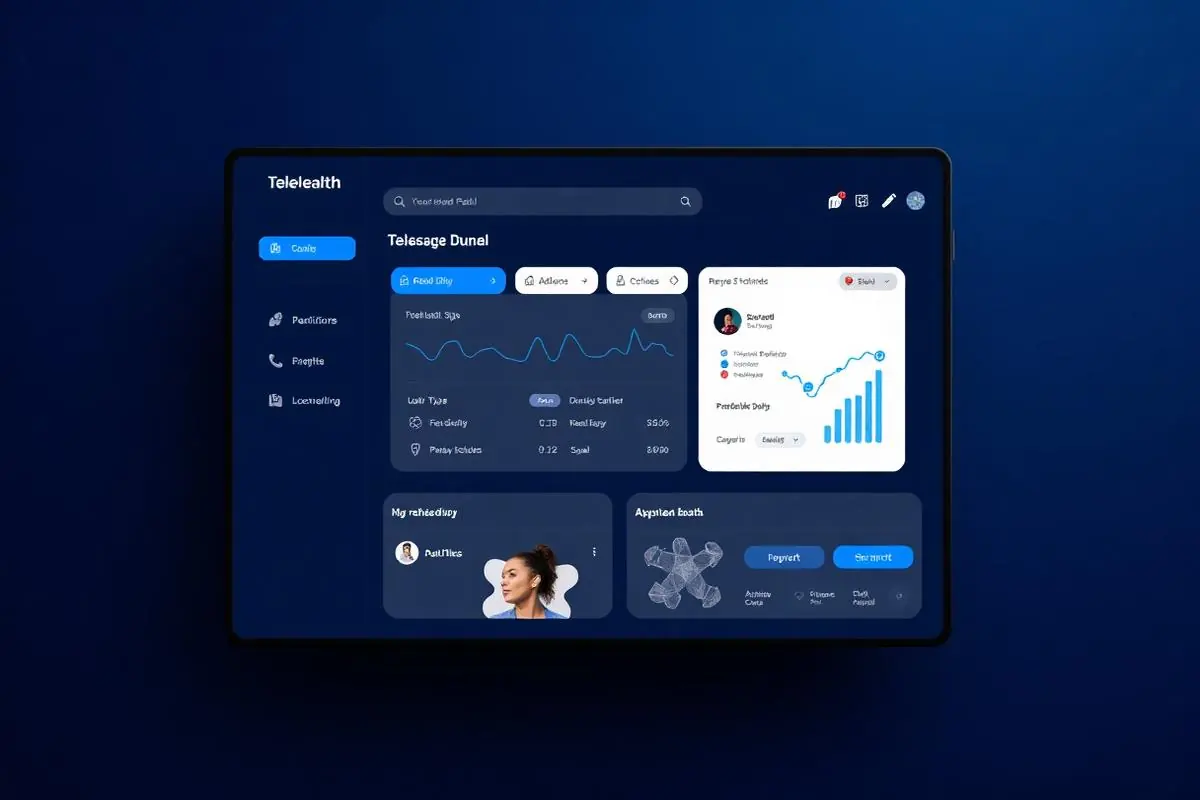
Vitalink Telehealth Platform interface preview
Data-Driven ArchitectureHIPAA Compliant

Vitalink Telehealth Platform

312% increase in completed virtual consultations within two quarters.

They rebuilt our patient journey from the ground up and our no-show rate collapsed overnight.

Dr. Amara Whitfield

Chief Medical Officer, Vitalink

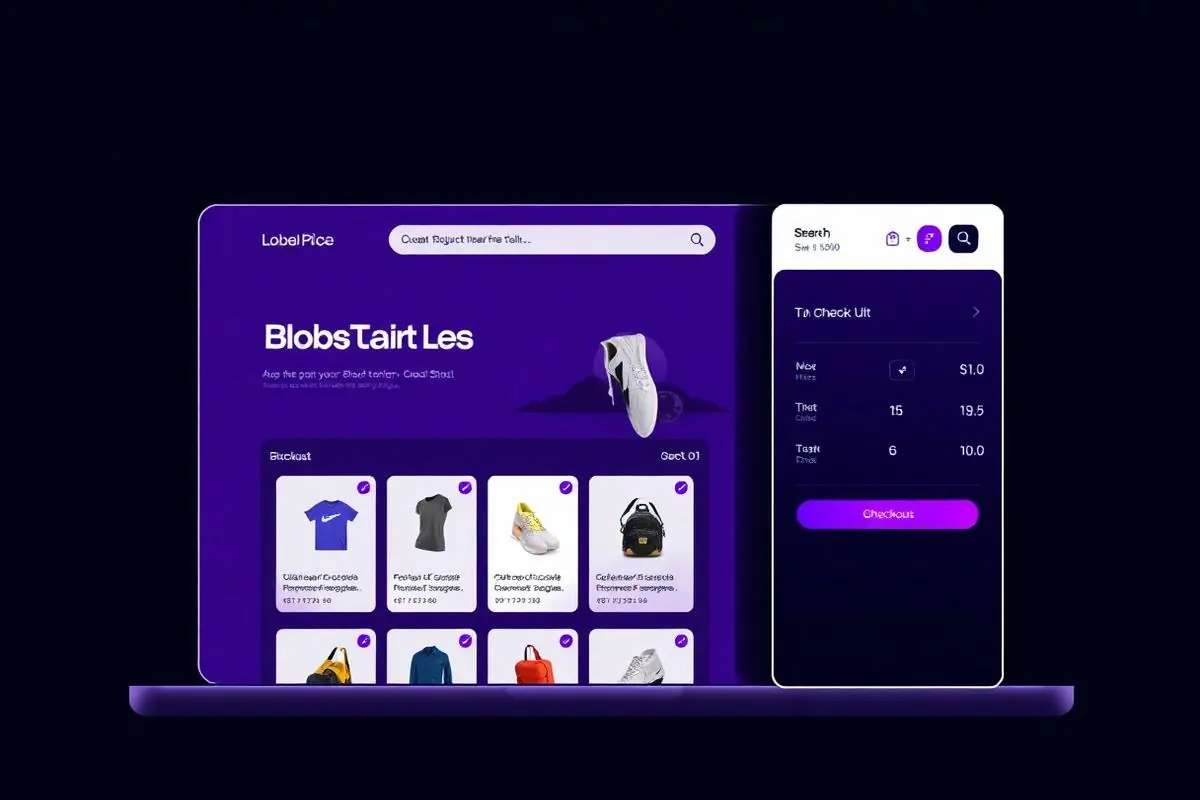
Northbay Commerce Replatform interface preview
Analytics-Driven UXHeadless Commerce

Northbay Commerce Replatform

$14.2M incremental revenue and a 41% lift in mobile conversion.

Checkout finally feels effortless. Our repeat purchase rate has never been higher.

Marcus Deel

VP Digital, Northbay

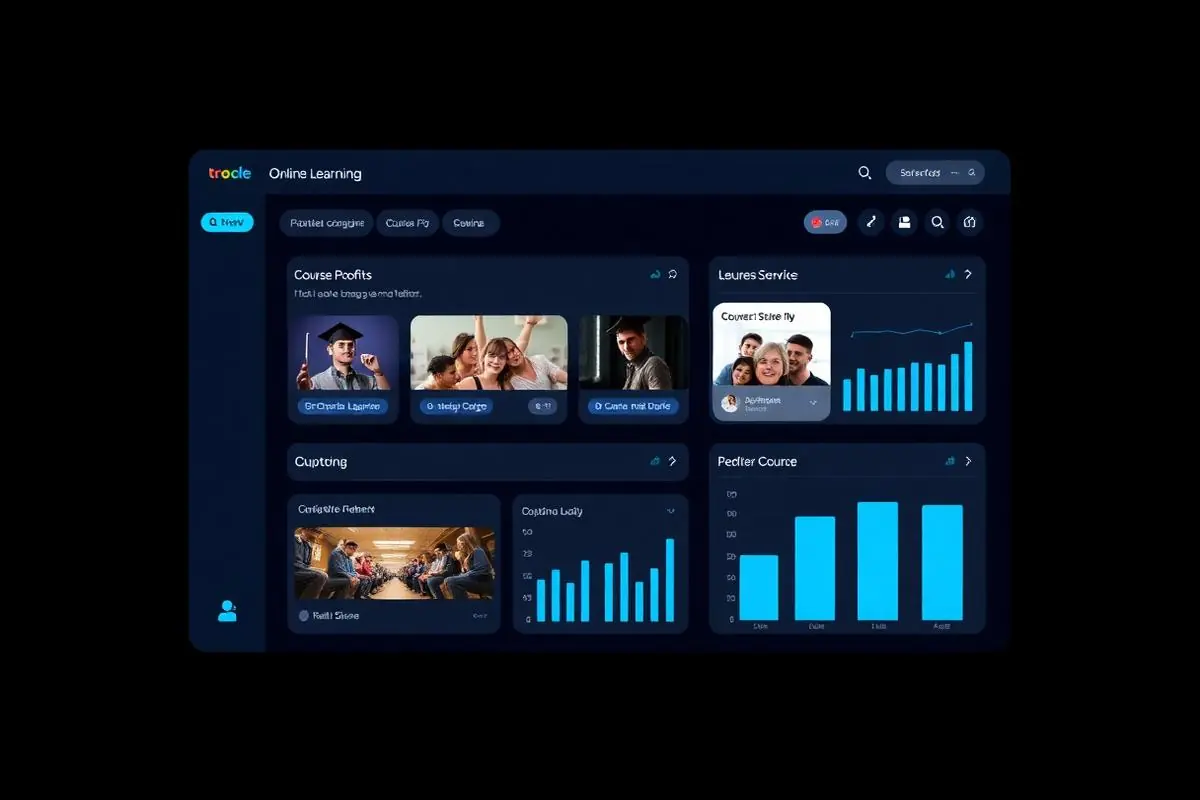
Lumen Learning Ecosystem interface preview
Adaptive Learning AIAccessibility First

Lumen Learning Ecosystem

2.1M learners onboarded with 68% higher course completion.

Nortdesigns understood pedagogy as well as they understood engineering.

Priya Raghunathan

Head of Product, Lumen

Axiom SaaS Analytics Suite interface preview
Real-Time Data PipelineProduct-Led Growth

Axiom SaaS Analytics Suite

Reduced time-to-insight from 4 days to under 90 seconds.

Our churn dropped 22% in the first six months after launch.

Elena Kovács

CEO, Axiom

Inside Our Work

What Actually Produced the Results Behind These Case Studies

Case study headlines are easy to write and almost impossible to verify. Three hundred percent more leads. Two million in new revenue. Numbers like that mean nothing without the context of where the business started, what else changed, and how long the effect lasted. This page is our attempt to show the mechanism rather than the trophy: the decisions, trade-offs and unglamorous corrections that turned each engagement into a measurable outcome.

If you are evaluating agencies, use this as a template for the questions you should ask any of them. A partner who cannot explain why something worked cannot reliably repeat it for you.

The pattern behind every successful engagement

Across hundreds of projects, the engagements that produced outsized results shared four characteristics, and none of them were about design taste. First, a single owner on the client side with the authority to make decisions. Second, an agreed definition of a qualified lead before any work began. Third, willingness to remove things rather than only add them. Fourth, a cadence of review short enough that mistakes were caught in weeks rather than quarters.

The engagements that underperformed also shared a pattern: decisions made by committee, success defined only after launch, scope that expanded without prioritisation, and reporting that nobody read. We have learned to name these risks openly at the start of a relationship, because the alternative is discovering them at month five.

This is why our proposals now include a short section on working conditions alongside deliverables. The way a project is run predicts its outcome at least as strongly as the skill of the people running it.

  • One empowered decision-maker on the client side
  • Qualified lead defined and instrumented before launch
  • Ruthless prioritisation instead of endless scope addition
  • Fortnightly review cadence with visible metrics
  • Sales and marketing looking at the same numbers

Healthcare technology: trust, compliance and conversion together

Healthcare platforms carry a burden that most sectors avoid: they must convert quickly while communicating safety, credentialing and regulatory compliance. Visitors are often anxious, sometimes unwell, and frequently on a phone in a waiting room. Any friction in the booking path translates directly into an unfilled appointment slot.

Our work in this sector concentrates on reducing steps and increasing clarity. Appointment flows are shortened to the minimum viable information. Insurance and eligibility questions are answered before they are asked. Provider profiles carry the credentials patients actually look for. Accessibility is treated as a hard requirement because a meaningful share of patients rely on assistive technology.

On the technical side, we design data handling conservatively from the first architecture conversation. Minimum necessary collection, encryption in transit and at rest, audited access, and clear separation between marketing analytics and anything resembling protected health information. Retrofitting compliance into a live platform is one of the most expensive projects a healthcare company can undertake.

The outcomes that mattered most to these clients were rarely traffic figures. They were completed bookings, reduced no-show rates, shorter support queues and fewer abandoned registrations. Those are the numbers we optimise toward.

Retail and e-commerce: margin lives in the details

In e-commerce, small percentage movements produce large absolute results, which makes it the most rewarding environment for disciplined optimisation. Our work typically begins with a diagnostic of the funnel from first impression to repeat purchase, because the biggest opportunity is almost never where the client expects it to be.

Common findings include product pages that answer none of the objections a buyer actually has, search and filtering that fails on real catalogue data, shipping costs revealed too late, checkout forms demanding information the business never uses, and mobile performance that quietly suppresses conversion on the majority of sessions.

We also spend considerable time on merchandising logic and lifecycle marketing, because acquiring a customer once is expensive and acquiring them again is nearly free. Post-purchase sequences, replenishment reminders, thoughtful bundling and a genuinely useful account area often produce more incremental profit than any change to the advertising account.

The strongest results in this category came from combining a rebuilt product experience with a restructured paid media account in the same quarter. Neither would have delivered the same effect alone, which is the argument for integrated engagements in a single sentence.

  • Full-funnel diagnostic before any redesign work begins
  • Product page rewrites built around real customer objections
  • Checkout simplification and transparent shipping economics
  • Mobile performance treated as a revenue metric
  • Lifecycle and retention flows to lift contribution margin

Education technology: engagement is the real conversion

Edtech products face a conversion problem that extends well past sign-up. A free account that never becomes an active learner is a cost, not a win. So our measurement in these engagements pushes deeper into the product: activation within the first session, completion of a first meaningful unit, and return within seven days.

Design work follows those metrics. Onboarding is shortened and made concrete. Progress is made visible because visible progress is the single most reliable motivator in learning products. Content is chunked to fit the fragments of time learners actually have. Where multiple stakeholders exist, such as students, parents and institutional administrators, each gets an interface built for their distinct job rather than a compromise built for all three.

Institutional sales cycles also required marketing infrastructure that most consumer-focused agencies overlook: procurement-friendly documentation, accessibility statements, security summaries and evidence of learning outcomes. Providing those assets up front shortened sales cycles more than any change to the marketing site.

Technology and SaaS: from traffic to qualified pipeline

SaaS marketing sites fail in a predictable way. They describe features in the vocabulary of the engineering team, bury pricing, and treat the demo request as the only conversion available. The result is a site that converts the few visitors who were already convinced and loses everyone earlier in their journey.

Our approach is to build a conversion ladder. Educational content for people diagnosing a problem, comparison and integration pages for people evaluating options, interactive or self-serve entry points for the technically confident, and a well-designed demo path for enterprise buyers who need reassurance rather than a trial. Each rung has its own content, its own call to action and its own measurement.

Documentation deserves special mention. For technical products, documentation is marketing. It is often the highest-traffic section of the site, it strongly influences purchase decisions, and it is usually neglected. Investing in clear, searchable, well-structured docs has produced measurable pipeline effects in several of our engagements.

Finally, we connect site events to the CRM properly so that marketing and sales argue about strategy rather than about whose numbers are right. That alignment alone has changed the trajectory of more than one client relationship.

What we changed when things did not work

Not every engagement runs to plan, and an agency that claims otherwise is either new or not being straight with you. We have shipped redesigns that initially reduced conversion and had to be partially rolled back. We have built content programmes that took nine months to show traction instead of the projected four. We have run campaigns where the winning creative was the one everybody in the room disliked.

What matters is the response. We instrument before we launch so that a decline is visible in days rather than discovered in a quarterly review. We keep the previous experience available so a rollback is a decision rather than a rebuild. We write down what we expected to happen before we launch, which makes it much harder to retrofit a comfortable explanation afterwards.

That habit of documented prediction is the closest thing we have to a competitive advantage. It converts each project into a permanent asset of knowledge about your specific market, and it is why clients who stay with us for years see their results improve rather than plateau.

  • Predictions written down before every significant launch
  • Instrumentation in place before traffic arrives
  • Rollback paths kept available for major changes
  • Post-mortems shared with the client, including the awkward parts
  • Learnings recorded so they outlive individual team members

How to evaluate whether these results apply to you

Results transfer when the underlying conditions transfer. A conversion lift achieved on a high-intent booking funnel says little about a considered enterprise purchase with an eleven-month cycle. When you read any agency's case studies, including ours, ask what the starting baseline was, how long the measurement window ran, what else changed during that period, and whether the effect persisted after the engagement ended.

We are happy to answer all four questions about any project shown on this page, and to introduce you to clients who will answer them independently. Reference conversations are the most reliable due diligence available to you, and any agency reluctant to arrange them is telling you something.

If you want to know what a realistic outcome looks like for your business specifically, book a consultation. Bring your analytics access if you are comfortable doing so and we will give you an honest read on where the largest opportunity sits, whether or not it is work we would end up doing.

How long results typically take to appear

Expectations cause more damage in agency relationships than performance does. A campaign that was always going to take five months to mature will feel like a failure at month three if nobody said so at the start. We therefore set timelines explicitly and revisit them openly.

Conversion work on an existing traffic base usually shows movement within two to six weeks, because the audience is already arriving and only the experience changes. Paid media produces signal within days, though reliable optimisation decisions need enough conversion volume to be statistically meaningful, which for lower-volume businesses can take a month or more.

Organic search is the slowest and the most durable. Technical fixes can register within weeks; new content typically needs three to six months to reach its steady state, and competitive commercial terms often take longer. Brand and authority building operates on a horizon of years, which is precisely why so few competitors commit to it.

Understanding these different clocks lets us sequence work sensibly: fast levers first to fund patience, slow assets started early so they mature on schedule, and reporting that judges each workstream against its own realistic timeline rather than a single impatient one.

Get a Free Assessment of Your Digital Presence

Discover how you can elevate your strategy with tailored solutions from Nortdesigns.

Call +61 2 8395 5360